Processes
JACAN Powder Equipment
Advanced ATH Low-Temperature Drying & Ultrafine Grinding Solutions
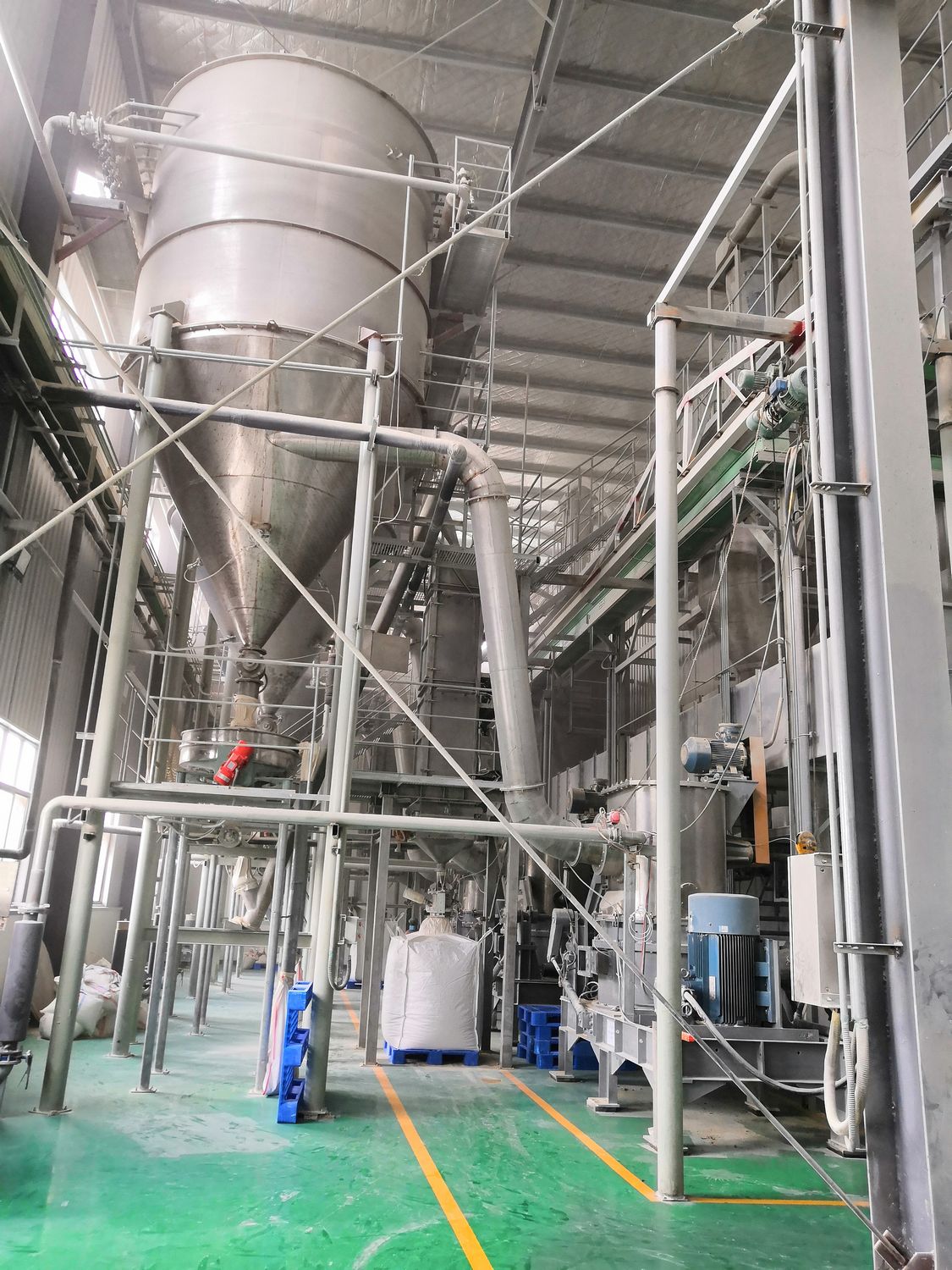
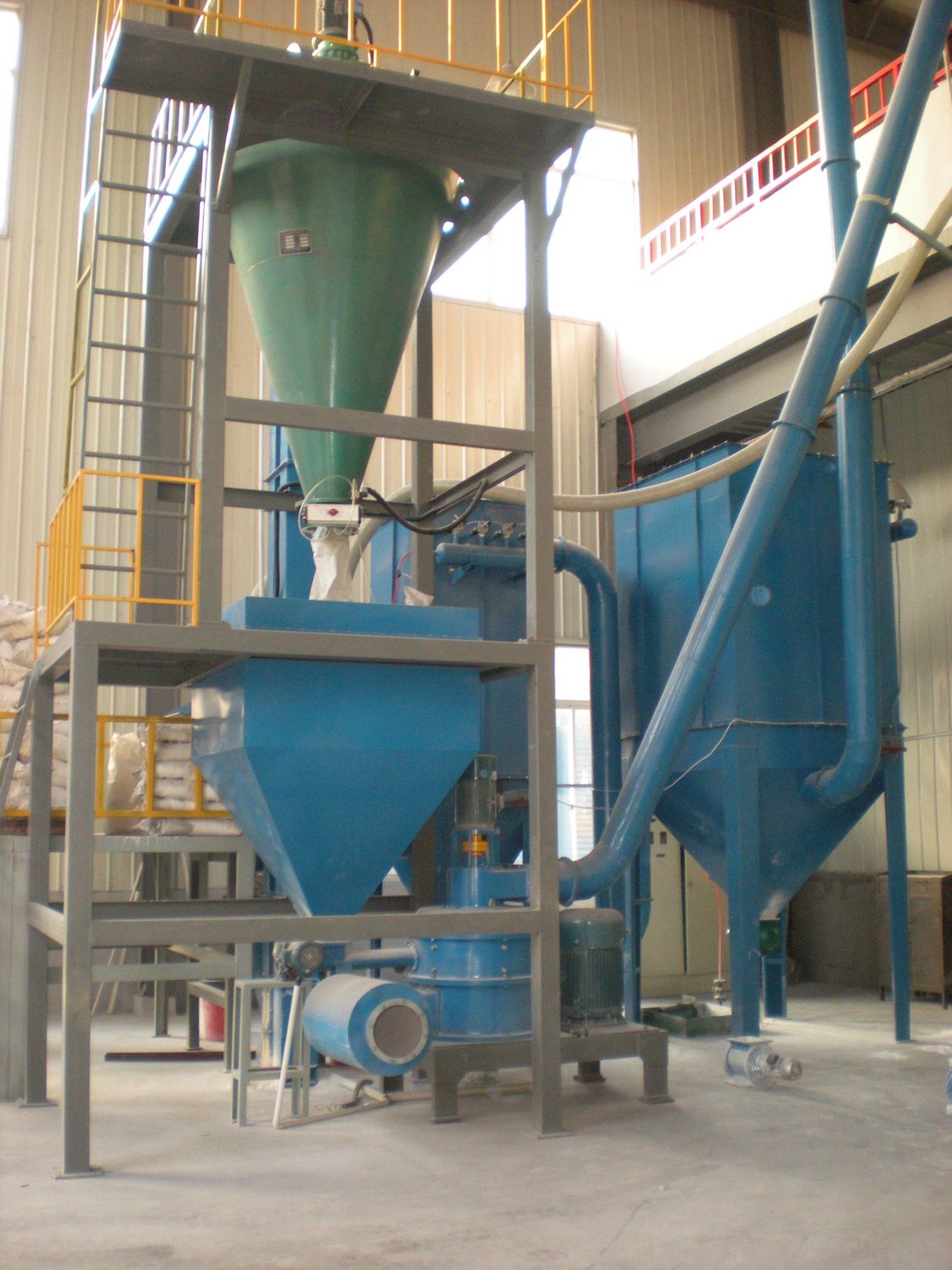
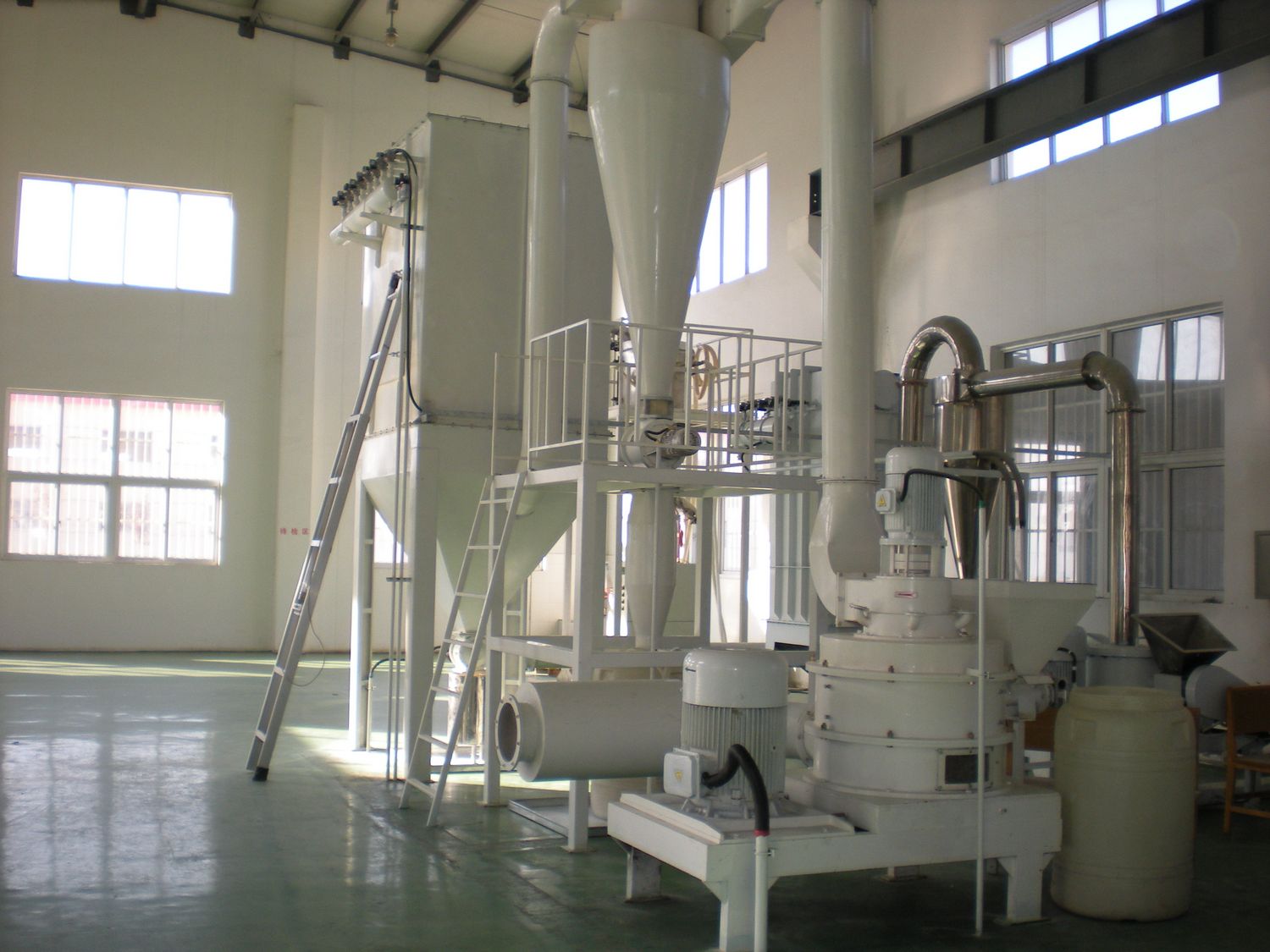
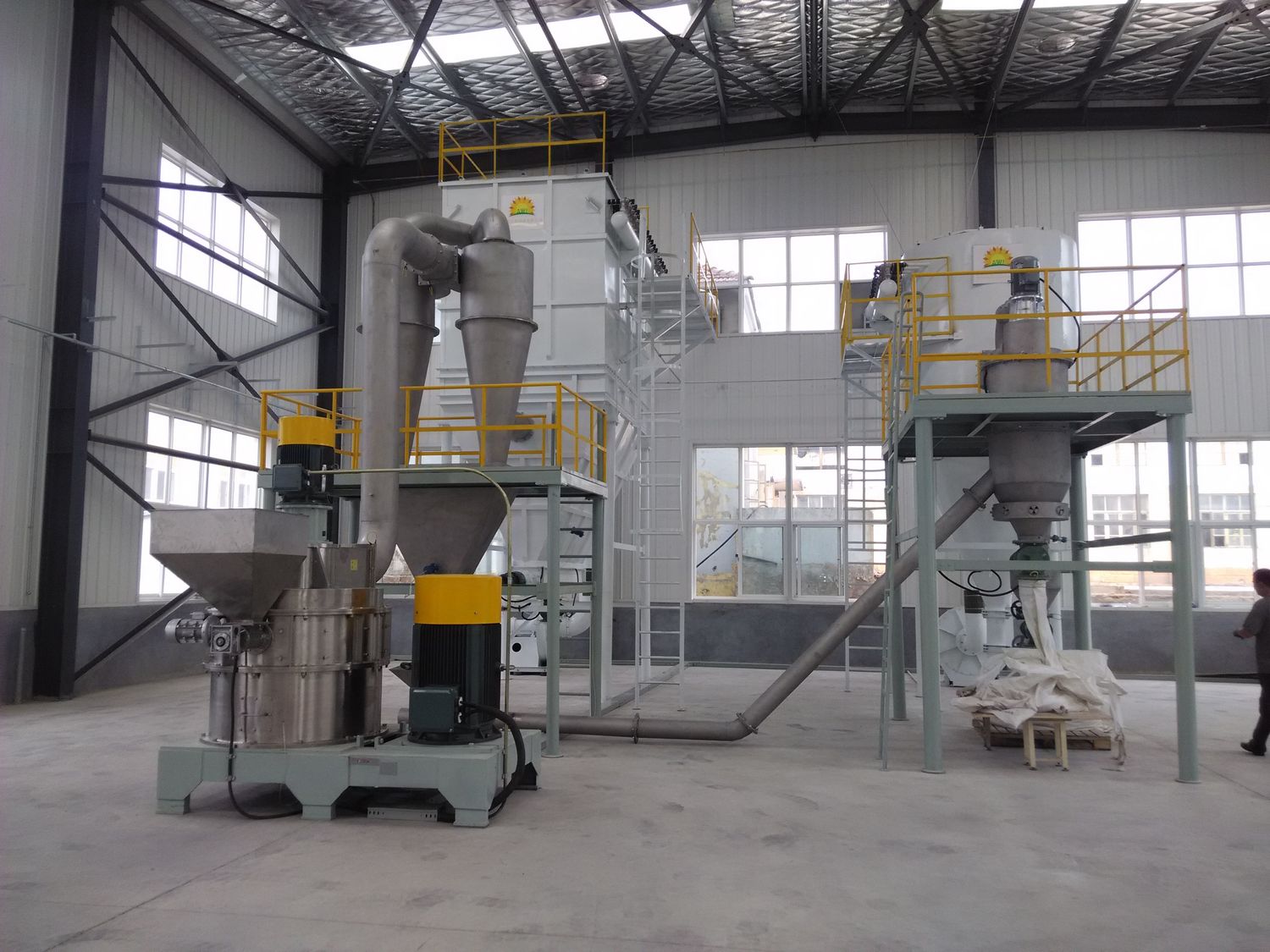
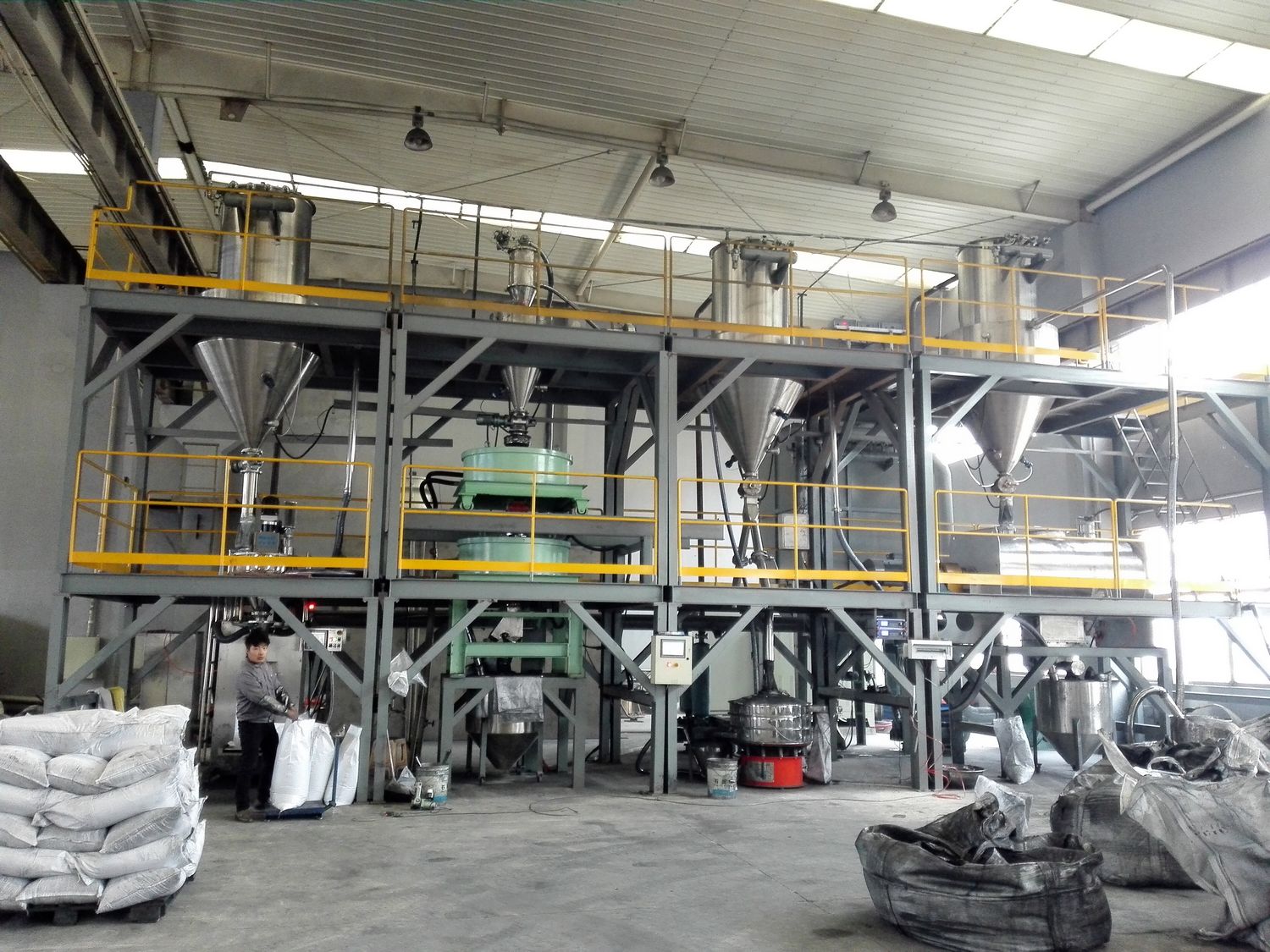
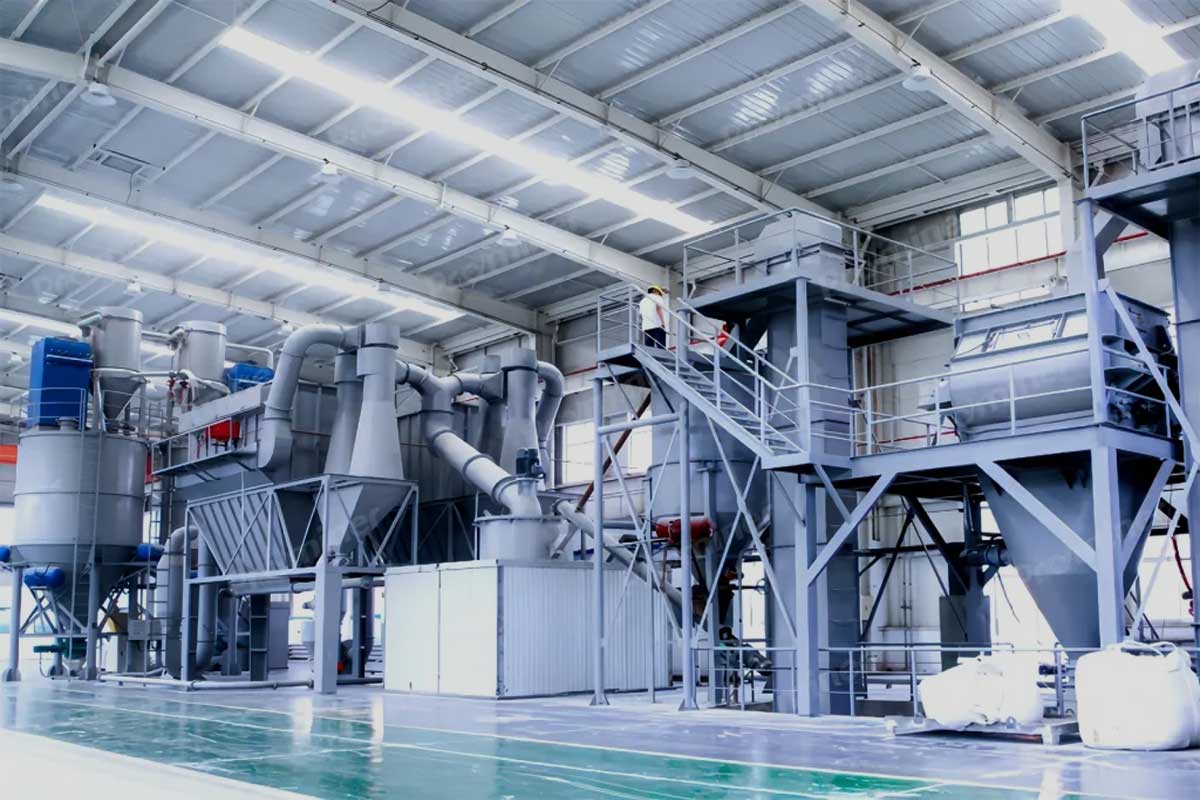
We deliver complete Aluminum Hydroxide (ATH, also Alumina Trihydrate) processing solutions for filter cake, pre-ground powder and rework lines, enabling manufacturers to produce high-value flame retardant and industrial fillers. Our integrated systems combine low-temperature anti-decomposition treatment, full agglomerate dispersion and iron impurity removal with flash drying, ultrafine milling, precision classification and surface activation, delivering stable micron-level D97 control for cable, plastic, coating, artificial stone and electronics industries.
Low-Temperature Flash Drying & Deagglomeration
Turbo rotor disintegrates wet ATH filter cake lumps; tangential hot airflow held below 110°C instantly removes surface free moisture. Working temperature stays far below ATH's 150°C crystal water loss threshold, avoiding crystal damage and flame retardant activity loss while preserving original morphology for both flame retardant and filler uses.
Closed-Circuit Ultrafine Low-Temp Grinding
Water-jacket cooled ring roller or air classifier mills keep material peak temperature ≤110°C, far below ATH's 150°C crystal water decomposition threshold. Intensive grinding disperses hard agglomerates, retaining original high whiteness and purity. Optional ceramic lining limits iron impurity ≤10ppm for high-end flame retardant and industrial filler standards.
High-Precision Air Classification
High-efficiency turbine classification disperses micro-agglomerates, delivering sharp cut-point and narrow particle size distribution. Oversized residue above target D97 is controlled ≤0.1% (meets low-smoke zero halogen cable ±3μm tolerance), ensuring stable D97 and consistent filler performance for cable, plastic, coating and artificial stone uses.
Functional Surface Activation Modification
Customized silane / stearic acid surface modification evenly coats ATH particles during high-shear vortex mixing. Modifier utilization exceeds 90% and particle coverage reaches ≥95%, boosting compatibility with polymer resin and enhancing finished products' mechanical strength, flame retardant uniformity and filler dispersion.
JACAN Powder Equipment
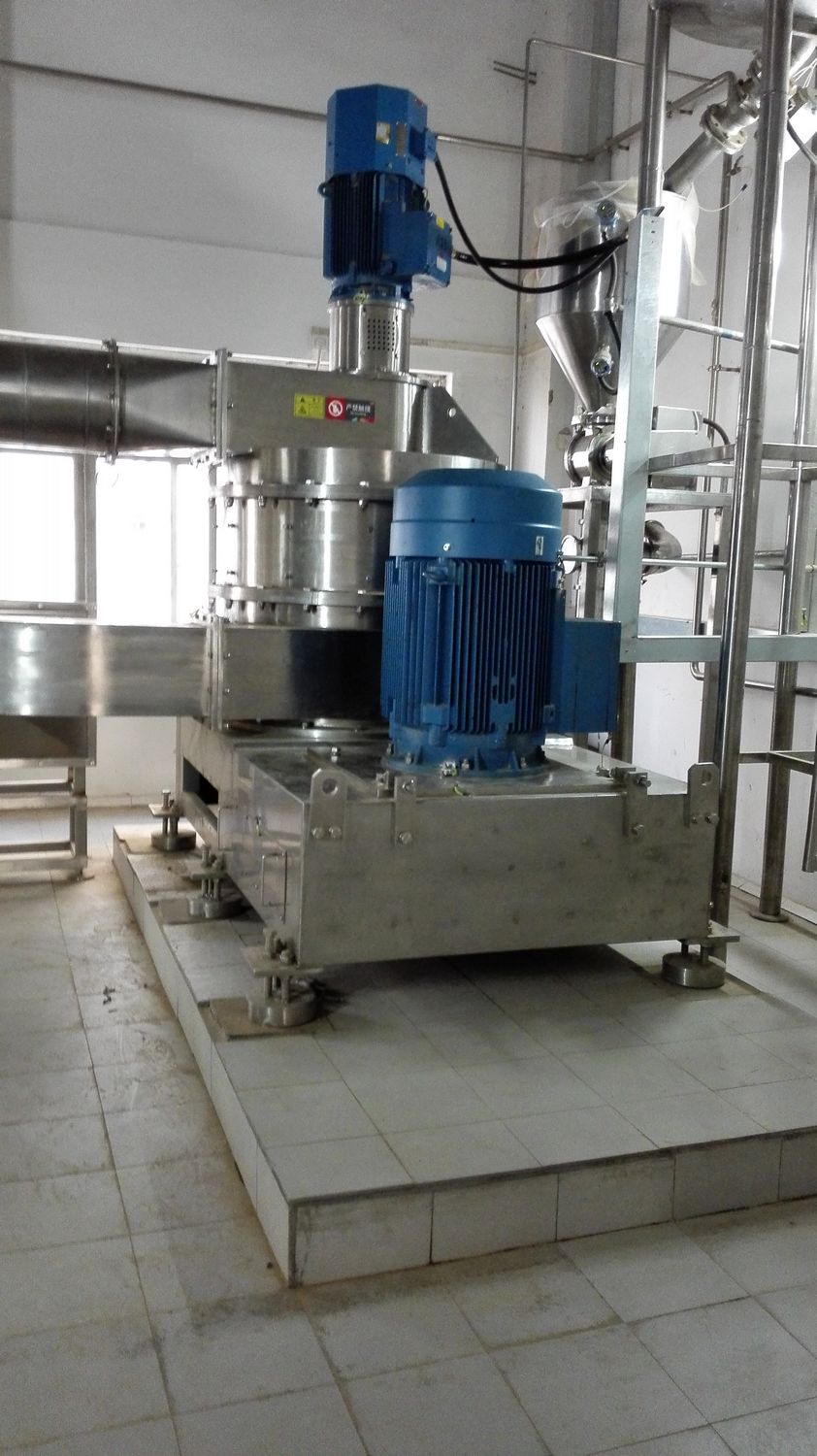
Turbo Flash Disintegration & Drying Machine|Turbo Flash Drying & Deagglomeration for Aluminum Hydroxide
A continuous one-step flash drying and deagglomeration process engineered for washed ATH filter cake. High-speed turbo rotors paired with tangential hot airflow break lumps and remove surface moisture below 110°C, delivering loose dry powder ready for ultrafine grinding of flame retardant fillers.
Low-Temperature Crystal Protection Against Decomposition
Inlet air temperature is strictly controlled below 110°C, with material residence time inside the drying chamber lasting only 3–5 seconds. Surface moisture evaporates rapidly without raising internal particle temperature, working far below ATH’s 150°C crystal water loss threshold to prevent loss of three crystal waters and crystal damage. This fully preserves aluminum hydroxide's original crystalline structure and flame retardant activity, ensuring consistent performance in low-smoke halogen-free cable and engineering plastic applications.
Integrated Drying & Deagglomeration
High-speed turbo rotors deliver mechanical shear disintegration while hot airflow provides fluidized drying simultaneously. Wet ATH filter cake lumps are shattered and heated in a single pass, combining two unit operations into one machine to reduce capital investment and plant footprint.
High Thermal Efficiency & Energy Saving
Tangential swirling hot airflow maintains full contact and efficient heat exchange with ATH particles, achieving thermal efficiency of up to 80%. Traditional tray oven thermal efficiency 45–50%, rotary kiln 60%; this equipment cuts specific energy consumption per ton finished product by 30%–40% compared with conventional drying solutions.
Uniform & Loose Powder Output
Disintegrated ATH particles are fully fluidized and dispersed by the upward hot airstream. No hard agglomerates remain after drying, and the powder has excellent flowability and looseness, reducing downstream grinding energy consumption by approximately 25%.
Negative Pressure Dust-Free Operation
The entire system operates under slight negative pressure in a fully closed circuit, paired with cyclone separator and baghouse dust collection. Zero dust leakage meets environmental compliance requirements while minimizing material loss and maximizing product yield.
Flexible Parameter Adjustment
Hot air temperature, rotor rotational speed and screw feed rate can all be independently adjusted. The system adapts to ATH filter cakes with varying moisture content and particle sizes, allowing flexible control of final product residual moisture.
Application Limitations
Designed specifically for washed ATH filter cake. Feed with moisture below 10% causes excessive dust and product loss, while cake above 30% moisture leads to wall sticking and blockage issues.
Supporting Equipment
JACAN Powder Equipment
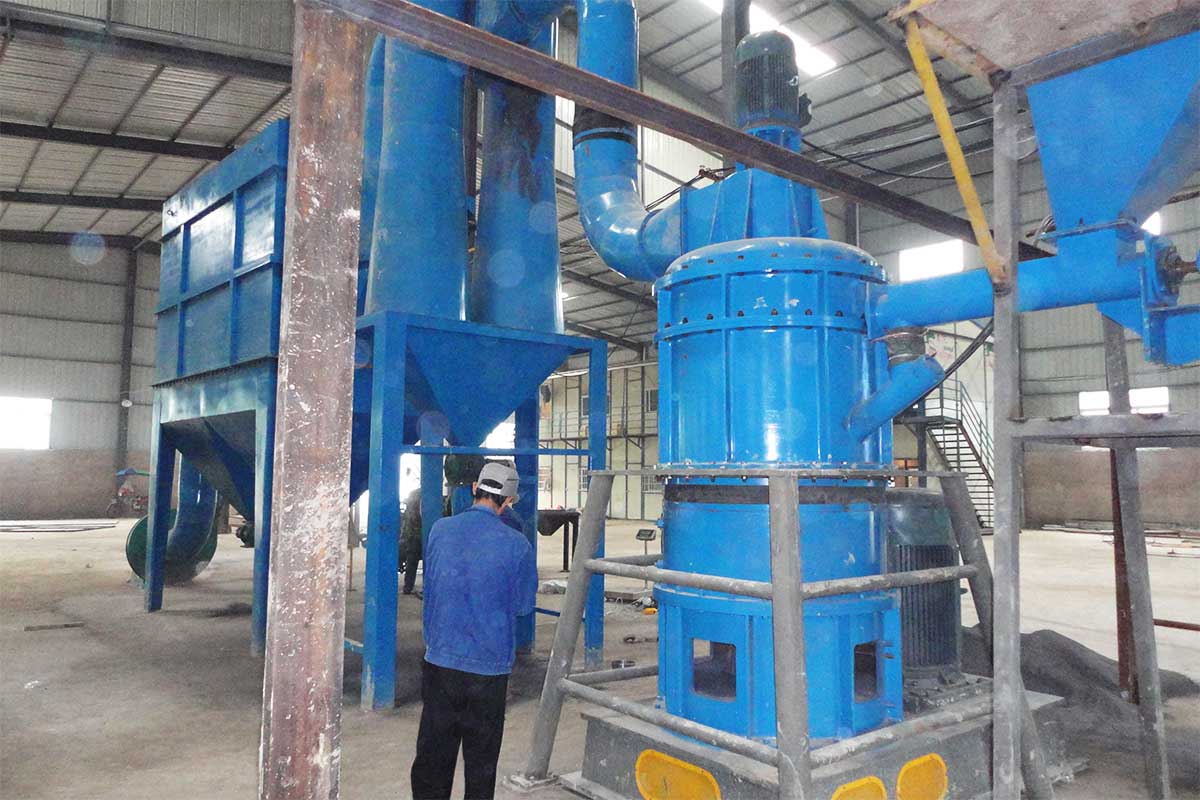
Air Classifier Mill|Integrated Grinding & Classification for Aluminum Hydroxide
An integrated grinding and classification system combining impact grinding and built-in air classification in a single unit. Optimized for medium-fineness Aluminum Hydroxide production D97 10–45μm / 325–1250 mesh, it delivers uniform particle size with adjustable fineness, ideal for flame retardant filler and general industrial ATH applications.
Integrated Grinding & Classification
The air classifier mill integrates impact grinding and dynamic air classification into one compact unit, eliminating the need for a separate external classifier and associated connecting ductwork. ATH material is pulverized by high-speed rotating hammers, then immediately sorted by the built-in turbine classifier — fine particles exit with the airflow while coarse fractions fall back for regrinding. This closed-circuit design reduces equipment investment, plant footprint and energy consumption by 20%–30% compared with separate mill + classifier setups, while ensuring consistent product fineness and narrow particle size distribution for ATH flame retardant fillers.
On-Line Fineness Adjustment
The built-in turbine classifier speed is fully adjustable via frequency control, allowing operators to change ATH product fineness on the fly without stopping production. Particle size can be precisely tuned across the D97 10–45μm range to match different flame retardant cable, engineering plastic and coating filler specifications.
Water-Cooled Thermal Crystal Protection
Both the grinding chamber and classifier housing are equipped with water-jacket cooling systems, effectively dissipating heat generated during impact grinding. This maintains ATH material transient temperature well below 110°C, far under the 150°C crystal water decomposition threshold, preventing crystal damage and preserving its three crystal waters and flame retardant activity.
Ceramic Lining Limits Iron Impurity ≤10ppm
Optional full ceramic lining on the grinding chamber, hammers and classifier wheel eliminates metal wear contamination. This restricts finished powder iron impurity ≤10ppm, ensures high whiteness and purity of the finished ATH powder, meeting the strict requirements of high-end low-smoke halogen-free cable and electronic grade applications.
Narrow Particle Size Distribution
The high-precision built-in turbine classifier delivers sharp particle cut-point with minimal oversized residue ≤0.1% above target D97. The resulting ATH powder has a narrow size distribution and consistent D97 values, ensuring uniform dispersion and stable flame retardant performance in downstream polymer compounds.
Negative Pressure Dust-Free Operation
The entire system operates under slight negative pressure in a fully closed circuit with cyclone and baghouse dust collection. No ATH dust leakage occurs during production, meeting strict environmental standards while minimizing material loss and preventing moisture absorption from ambient air.
Application Limitations
Optimized for medium-fineness ATH production. Not cost-effective for submicron-grade ultrafine ATH below D97 5μm, where a jet mill delivers higher efficiency and finer particle size; standard steel-lined models cannot meet the low-impurity requirement of high-whiteness electronic-grade ATH.
Supporting Equipment
JACAN Powder Equipment
Ring Roller Mill|Closed-Circuit Ultrafine Grinding for Aluminum Hydroxide
A high-efficiency closed-circuit ring roller mill designed for large-scale Aluminum Hydroxide ultrafine grinding. Utilizing roller-ring compression grinding with built-in air classification, it delivers high output and low energy consumption, ideal for producing 325–2500 mesh ATH powder for multi-industry filler applications.
High Output & Low Energy Consumption
The ring roller mill uses multiple grinding rollers to apply uniform compressive force on material between the rollers and stationary grinding ring, achieving high grinding efficiency with minimal energy waste. Under identical target fineness, traditional ball mill consumes 120–160kWh/t finished product, ring roller mill only 60–90kWh/t, cutting specific energy consumption while boosting output. This makes it suitable for large-scale ATH powder production lines, helping to lower per-ton production costs and improve overall operational efficiency.
Full-Chamber Water-Cooled Thermal Protection
The grinding chamber, grinding ring and roller shafts are all fitted with circulating water cooling systems, effectively removing heat generated during continuous compression grinding. This keeps ATH material temperature consistently below 110°C, far below the 150°C crystal water decomposition threshold, preventing thermal decomposition and preserving aluminum hydroxide's three crystal waters and functional properties.
Wide Adjustable Fineness Range
Equipped with a high-precision built-in turbine classifier, the mill produces ATH powder with adjustable fineness across a wide range from D97 45μm to D97 5μm. A single machine handles both coarse industrial filler grades and fine functional filler grades, reducing the need for multiple dedicated production lines.
Ceramic Lining Low Iron Contamination
Optional high-purity alumina ceramic lining on the grinding ring, roller surfaces and classifier wheel reduces metal wear contamination during production. This helps maintain high whiteness and low impurity levels of finished ATH powder, supporting strict requirements for high-end low-smoke halogen-free cable and electronic grade applications.
Stable Operation & Low Maintenance
The mill features a robust structure with relatively few moving parts inside the grinding chamber, ensuring reliable long-term operation with minimal downtime. Wear components are made of high-strength wear-resistant materials, extending service life and reducing routine maintenance costs for ATH production facilities.
Negative Pressure Dust-Free Operation
The entire system operates under slight negative pressure in a fully closed circuit, paired with cyclone separator and baghouse dust collection. No ATH dust leakage occurs during production, ensuring environmental compliance, minimizing material loss, and preventing powder moisture absorption from ambient air.
Application Limitations
Optimized for ATH powder production in the D97 5–45μm range. Not recommended for submicron-grade ultrafine ATH below D97 5μm, where a jet mill is more suitable for finer particle size and higher efficiency; standard steel-lined models are not recommended for high-whiteness electronic-grade ATH production.
Supporting Equipment
JACAN Powder Equipment
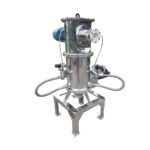
Fluidized Bed Opposed Jet Mill|Submicron Ultrafine Grinding for High-Purity Aluminum Hydroxide
A high-purity submicron ultrafine grinding system utilizing fluidized bed opposed jet technology for premium Aluminum Hydroxide production. Particle-on-particle impact grinding delivers minimal metal contamination and ultra-fine particle size, ideal for electronic-grade and high-end flame retardant ATH applications.
Low Contamination Particle-on-Particle Grinding
The fluidized bed opposed jet mill uses multiple high-speed compressed air nozzles arranged opposite each other to accelerate ATH particles to supersonic speeds, causing particles to collide and grind against each other rather than against metal surfaces. This particle-on-particle impact mechanism greatly reduces metal media contact during the grinding process, resulting in very low iron and heavy metal contamination. For high-purity ATH used in electronic encapsulation and premium low-smoke halogen-free cables, this ensures the final product maintains the native whiteness, purity and electrical insulation properties of the raw material, meeting strict industry standards without additional post-processing purification.
Submicron Ultrafine Particle Size
Equipped with a high-precision vertical turbine classifier, the mill stably produces ATH powder with controllable fineness across D97 3–10μm, far finer than mechanical ring roller and air classifier mills. This ultrafine particle size improves ATH dispersion in polymer matrices and enhances flame retardant efficiency and mechanical properties in finished plastic, coating and electronic products.
Low-Temperature Grinding Protection
Compressed air expands rapidly at the nozzle outlet, absorbing large amounts of heat and creating a naturally low-temperature grinding environment. ATH material temperature remains below 80°C throughout the process, well below the 150°C crystal water decomposition threshold, fully preserving its three crystal waters and flame retardant activity. This temperature level is also 20–30°C lower than water-cooled mechanical mills, providing extra protection for high-purity fine ATH grades.
Narrow Particle Size Distribution
The built-in high-precision turbine classifier delivers extremely sharp particle cut-point with almost no oversized residue. The resulting ATH powder has a very narrow size distribution and consistent D97/D50 ratio, ensuring uniform performance and predictable processing behavior in downstream polymer applications.
Full Ceramic Wear Protection
All material contact surfaces including the grinding chamber, nozzles and classifier wheel are lined with high-purity alumina or zirconia ceramics. This further minimizes potential contamination risk and extends equipment service life, making it suitable for long-term production of high-whiteness, high-purity ATH grades.
Modular Design & Easy Maintenance
The mill features a modular structure with quick-release flanges and easy-access inspection ports. Wear components can be replaced quickly without extensive disassembly, reducing downtime and maintenance costs for high-value ATH production lines.
Application Limitations
Optimized for high-value, fine-particle ATH production (D97 3–10μm). Not cost-effective for coarse 325–600 mesh ATH due to high energy and compressed air consumption; also not suitable for large-volume bulk production where mechanical ring roller mills deliver significantly better economics.
Supporting Equipment
JACAN Powder Equipment
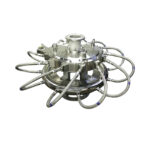
Spiral Jet Mill|Medium-Fineness Cost-Effective Grinding for Aluminum Hydroxide
A compact spiral jet mill designed for medium-fineness Aluminum Hydroxide production. Utilizing tangential high-speed airflow for particle-on-particle impact grinding, it delivers low contamination and stable D97 5–45μm fineness, with better unit output vs fluidized bed jet mills at equal fineness, ideal for mid-scale flame retardant and industrial filler ATH production lines.
Higher Unit Output Among Jet Mills & Low Operating Cost
The spiral jet mill features a flat disc grinding chamber with multiple tangential compressed air nozzles that create a strong vortex flow, accelerating ATH particles to high speeds for efficient particle-on-particle impact grinding. When matching the same medium fineness range D97 5–10μm, it delivers 30%–50% higher unit throughput than fluidized bed opposed jet mills, while cutting specific compressed air consumption by 20%–30%. Its simple flat-disc structure also lowers initial equipment investment and routine maintenance costs, making it the most cost-effective jet mill choice for ATH grades between 1250–2500 mesh.
Low-Temperature Grinding Protection
High-speed compressed air expands rapidly at the nozzle outlets, absorbing heat and creating a naturally low-temperature grinding environment. ATH material temperature stays below 90°C throughout the process, well below the 150°C crystal water decomposition threshold, preserving its three crystal waters and flame retardant properties.
Simple Structure & Easy Maintenance
The mill features a compact flat-disc structure with very few moving parts — only the classifier wheel rotates. Wear components are easily accessible and can be replaced quickly, minimizing downtime and maintenance costs for ATH production facilities of all scales.
Full Ceramic Lining Low Contamination
The grinding chamber inner wall, nozzles and classifier wheel can be lined with high-purity alumina or zirconia ceramics. This reduces metal wear contamination, helping maintain high whiteness and purity of ATH powder suitable for most flame retardant cable and coating applications.
Wide Medium-Fineness Range
Equipped with a built-in turbine classifier, the mill produces ATH powder with continuously adjustable fineness across D97 5–45μm (325–2500 mesh). This wide medium-fineness range covers most conventional flame retardant filler and general industrial filler application requirements.
Negative Pressure Dust-Free Operation
The entire system operates under slight negative pressure in a fully closed circuit with cyclone separator and baghouse dust collection. No ATH dust leakage occurs during production, ensuring environmental compliance, reducing material loss, and preventing powder moisture absorption from ambient air.
Application Limitations
Optimized for medium-fineness ATH production (D97 5–45μm / 325–2500 mesh). Cannot achieve submicron fineness below D97 3μm, which requires a fluidized bed opposed jet mill; also has a slightly wider particle size distribution compared with fluidized bed jet mills for high-precision applications. Its overall throughput is far lower than mechanical ring roller and air classifier mills for large-batch mass production.
Supporting Equipment
JACAN Powder Equipment
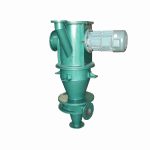
Air Classifier|Precision Air Classification for Aluminum Hydroxide Powder
This equipment performs only precision particle size separation — it does not provide grinding function and must operate in closed circuit with a grinding mill to form a complete ATH powder production system. Equipped with high-speed turbine classifiers, it delivers sharp cut-point and narrow size distribution, working in closed circuit with grinding mills to ensure consistent product quality for flame retardant and industrial filler applications.
Sharp Cut-Point & Narrow Particle Size Distribution
The air classifier utilizes a high-speed rotating turbine wheel to generate a strong centrifugal force field that precisely separates ATH particles by size. Fine particles pass through the turbine gaps and exit with the airflow, while oversized particles are thrown outward by centrifugal force and fall back for regrinding. This creates an extremely sharp particle cut-point with minimal oversized residue — typically less than 0.1% above the target D97 value. For ATH flame retardant and filler applications, this narrow particle size distribution ensures consistent dispersion performance, uniform flame retardant efficiency, and predictable processing behavior in downstream polymer compounding, eliminating batch-to-batch quality variations.
On-Line Fineness Adjustment
The turbine classifier speed is fully adjustable via frequency converter, allowing operators to change ATH product fineness on the fly without stopping production. Particle size can be precisely tuned across a wide range from D97 3μm to D97 150μm to match different product specifications and application requirements.
Closed-Circuit System Efficiency Boost
When paired with grinding mills in a closed-circuit configuration, the classifier immediately returns oversized ATH particles for regrinding, preventing over-grinding of fine fractions and reducing energy waste. This closed-loop setup typically increases overall system production efficiency by 20%–30% compared with open-circuit grinding systems.
Ceramic Lining Low Iron Contamination
All material contact surfaces including the classifier wheel, chamber lining and inlet/outlet ducts can be lined with high-purity alumina or zirconia ceramics. This reduces metal wear contamination, helping maintain high whiteness and purity of ATH powder for high-end low-smoke halogen-free cable and electronic grade applications.
Dual Configurations for Versatile Needs
Available in vertical eddy current and horizontal turbine configurations. Vertical models deliver higher throughput for general-purpose 325–1250 mesh ATH production, while horizontal models offer higher classification precision for fine 1500–2500 mesh and near-submicron ATH grades.
Stable Operation & Low Maintenance
The classifier features a robust structure with dynamically balanced rotating components and heavy-duty bearing systems. It runs continuously with minimal vibration and low maintenance requirements, ensuring stable long-term operation in ATH production lines with minimal unplanned downtime.
Application Limitations
The air classifier performs only size separation, not grinding — it must operate in closed circuit with a grinding mill to form a complete production system. Classification efficiency and throughput decrease significantly for ultrafine ATH products below D97 5μm; also requires consistent feed particle size and concentration for stable classification performance.
Supporting Equipment
JACAN Powder Equipment
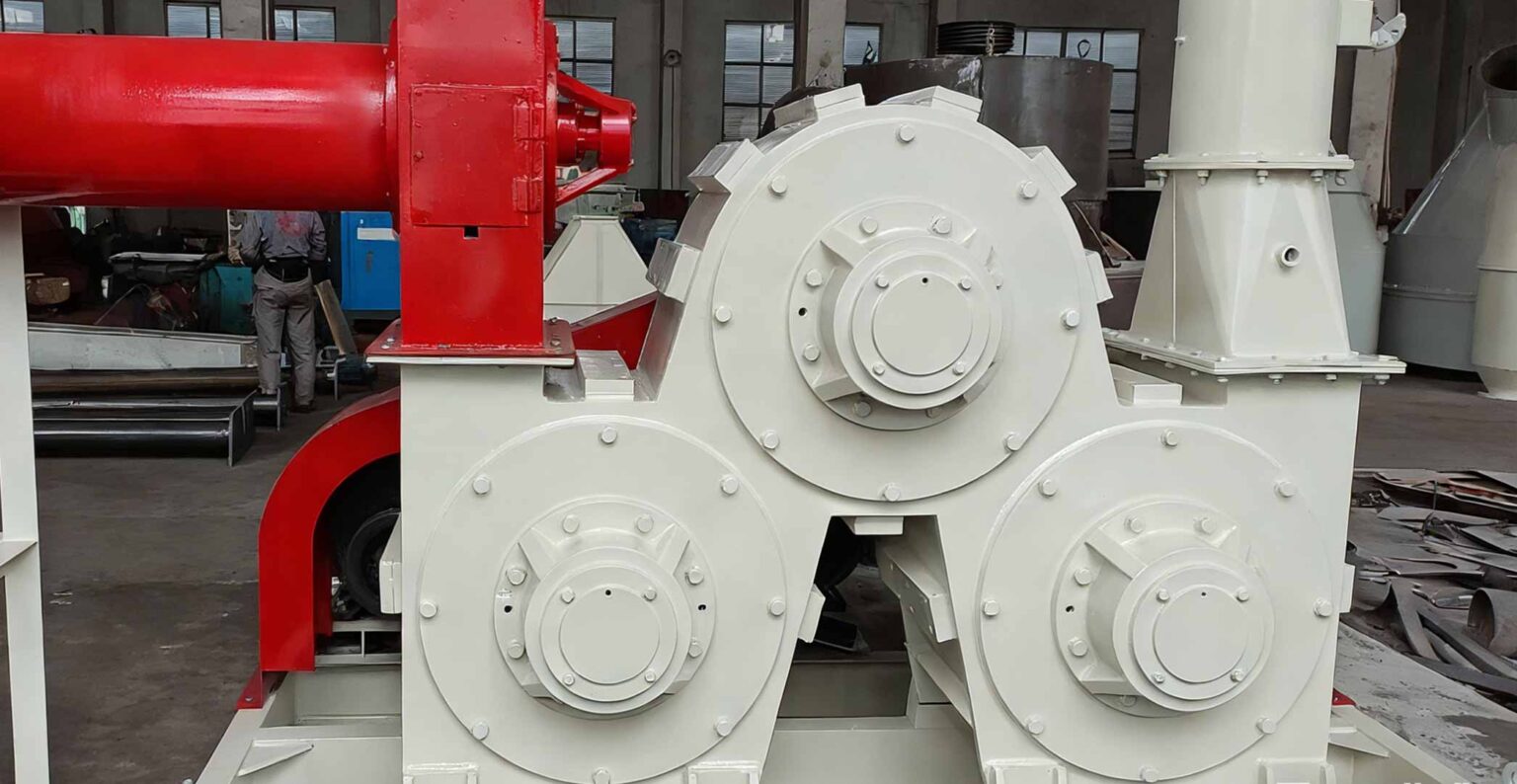
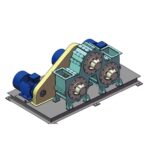
Three-Roller Vortex Surface Activation Modification Mill|Surface Functional Modification for Aluminum Hydroxide
A high-efficiency three-roller vortex surface modification system designed for Aluminum Hydroxide powder functionalization. Utilizing multi-stage vortex dispersion and self-friction heating, it achieves uniform coupling agent coating, improving ATH compatibility with polymer matrices for flame retardant and industrial filler applications.
Uniform High-Coverage Surface Modification
The three-roller vortex modification mill features three sets of staggered high-speed rotors that generate multi-stage vortex flows, fully dispersing ATH agglomerates into individual particles while ensuring every particle comes into thorough contact with the modifier. The intense turbulent mixing creates a high collision probability between ATH particles and modifier molecules, resulting in a uniform, continuous coating layer with coverage rates exceeding 95%. For ATH flame retardant fillers, this uniform surface modification significantly improves compatibility with polyolefin, PVC and epoxy resin matrices, enhances dispersion uniformity in polymer compounds, and ultimately delivers better flame retardant performance and improved mechanical properties of finished products compared with conventional single-rotor modification equipment.
Self-Friction Heating & Low-Temperature Process
The system relies on high-speed particle collision and friction to generate process heat internally, without requiring external heating elements. ATH material temperature stays controlled below 110°C throughout the modification process, well below the 150°C crystal water decomposition threshold, so the inherent flame retardant performance of ATH will not be damaged. Independent temperature regulation modules are equipped to adjust heat output flexibly according to different coupling agents and feeding volumes, matching the optimal reaction temperature of various surface modifiers.
High Continuous Throughput
Adopts full continuous feeding and discharging closed-loop structure, eliminating intermittent batch waiting time. Compared with single-axis vertical modification machines of the same floor space, the processing capacity can be increased by more than 40%, suitable for mass continuous production of modified ATH powder for cables, plastic compounds and coatings.
Easy Uniform Addition of Modifier
Equipped with automatic liquid modifier metering feeding system, the adding flow can be steplessly adjusted according to powder output. The modifier is atomized into tiny droplets through multi-point nozzles inside the main chamber and mixed with dispersed ATH powder synchronously, avoiding local excessive or insufficient coating and guaranteeing consistent surface treatment effect of every batch of products.
Full Ceramic Wear Protection Low Contamination
All internal parts contacting ATH powder including rotor blades, chamber wall and mixing baffles can be lined with high-purity alumina ceramic. It avoids metal abrasion pollution during high-speed friction and collision, keeps high whiteness and low impurity index of modified ATH, matching the production demand of electronic and high-end halogen-free cable materials.
Negative Pressure Dust-Free Closed Operation
The whole modification system adopts fully sealed negative pressure design, matched with pulse bag dust collector. No ATH dust escapes during continuous production, meeting environmental emission standards, reducing raw material waste caused by flying powder, and preventing moisture absorption of modified powder exposed to air.
Application Limitations
This equipment is dedicated to surface modification of dry ATH powder and cannot complete grinding or crushing processes. It is only suitable for dry modification using liquid silane, titanate and aluminate coupling agents; it cannot support water-based modifier wet coating processes. If the incoming ATH raw material has excessive hard agglomerates, pre-grinding and classification treatment is required to achieve ideal modification uniformity.
Supporting Equipment
JACAN Powder Equipment
Global Project Highlights & Customer Sites
Our high-performance Aluminum Hydroxide (ATH) processing lines operate across global mineral, plastic, coating and electronic manufacturing hubs. Custom low-temperature grinding, flash drying and air classification systems ensure stable production, helping clients produce low-impurity, high-whiteness ATH powder meeting international multi-industry standards.